

Leo XIV is the new Pope
“Peace be with all of you!” – the first words of Pope Leo XIV. The Conclave has elected Robert Francis Cardinal Prevost as the 267th Bishop of Rome. The new pope was announced to the waiting crowds by Cardinal Protodeacon Dominique Mamberti.
Annuntio vobis gaudium:
HABEMUS PAPAM
Eminentissimum ac reverendissimum Dominum Robertum Franciscum
Sanctae Romane Ecclesiae Cardinalem Prevost
qui sibi nomen imposuit Leo XIV
I announce to you a great joy:
WE HAVE A POPE
The Most Eminent and Most Reverend Lord Robert Francis
Cardinal of the Holy Roman Church Prevost
who has taken the name Leo XIV
From the central loggia of Saint Peter’s Basilica, Cardinal Protodeacon Dominique Mamberti pronounced the formula “Habemus Papam,” proclaiming to the city of Rome and to the whole world the news of the election of Robert Francis Cardinal Prevost as Pope Leo XIV.
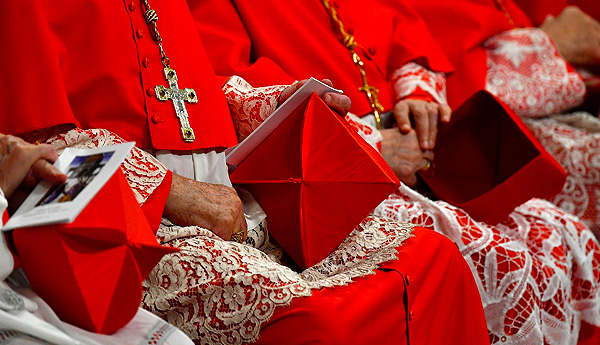
Vatican Begins Papal Conclave Amid Global Anticipation
Following the vacancy of the papacy, the College of Cardinals enters conclave to choose a new pope amid calls for guidance, reform, and unity.
Vatican City, Apostolic See, May 6, 2025 / PAPABILI / On Wednesday morning, the heavy doors of the Sistine Chapel swung shut behind 120 cardinal-electors, signaling the formal start of the 2025 papal conclave. Following the vacancy of the Apostolic See, the College of Cardinals has gathered in seclusion to carry out one of the most solemn and symbolically significant tasks in the Roman Catholic Church: electing the next pope.
The cardinals, all under the age of 80 and representing every continent, now begin a process steeped in centuries of tradition and governed by strict rules of confidentiality. The term “conclave” itself—derived from the Latin cum clave, meaning “with a key”—reflects the isolation required as they discern, debate, and vote behind closed doors, shielded from media, politics, and outside influence.
With the global Catholic population now exceeding 1.3 billion, the man who emerges as the next Supreme Pontiff will step into a role that is both spiritual and geopolitical in nature. He will be expected not only to shepherd the faithful but also to address complex issues such as clerical reform, climate justice, the rise of secularism, and relations with other faiths.
Voting will take place up to four times a day—two rounds in the morning and two in the afternoon. A cardinal must receive a two-thirds majority to be elected pope. After each vote, the ballots are burned in a special stove; black smoke indicates that no decision has been made, while white smoke signals a successful election. That moment—when the world sees white smoke rising from the chapel chimney—is among the most iconic in Catholic tradition.
Upon receiving the required votes, the chosen cardinal is asked two questions: whether he accepts the election and what name he will take. The new pope then dons papal vestments and is presented to the world from the balcony of St. Peter’s Basilica, where the Cardinal Protodeacon announces: “Habemus Papam” (“We have a pope”).
As speculation mounts around likely candidates—including figures from Latin America, Africa, and Asia—many observers wonder whether the next pontiff will represent continuity with past papacies or chart a new course for a Church in transition. Regardless of the outcome, the conclave marks a moment of global significance—one that will shape the direction of the Catholic Church for years, and possibly decades, to come.
Read more about some cardinals who are frequently considered papabili (those who might become pope), based on their positions within the Church, theological outlook, and diplomatic roles…here.
As of May 7, 2025, the Vatican is preparing for a papal conclave to elect a new pope following the death of Pope Francis. A total of 135 cardinal electors from 71 countries are eligible to vote in this conclave. However, not all 135 electors will participate, as some have opted not to attend or are unable to do so due to health reasons. Notably, Cardinal Vinko Puljić initially announced he would not participate but later decided to attend after receiving medical clearance.
The cardinal electors are divided into three orders: cardinal bishops, cardinal priests, and cardinal deacons. The order of precedence among them is determined by their rank and the date of their appointment as cardinals. The conclave will commence in the Sistine Chapel, where the cardinals will cast their votes to elect the next pope.
While a comprehensive list of all 135 eligible cardinal electors is available on the Wikipedia page for the 2025 papal conclave , here